Dr. Jaideep Sharma
As the Clinical Director of Prasan Nethralaya, Dr. Sharma brings Aravind-trained surgical precision to the anterior segment. His expertise in pediatric and adult strabismus ensures optimal mechanical alignment, restoring both the functional depth perception and the cosmetic confidence of his patients.
View Clinical Credentials →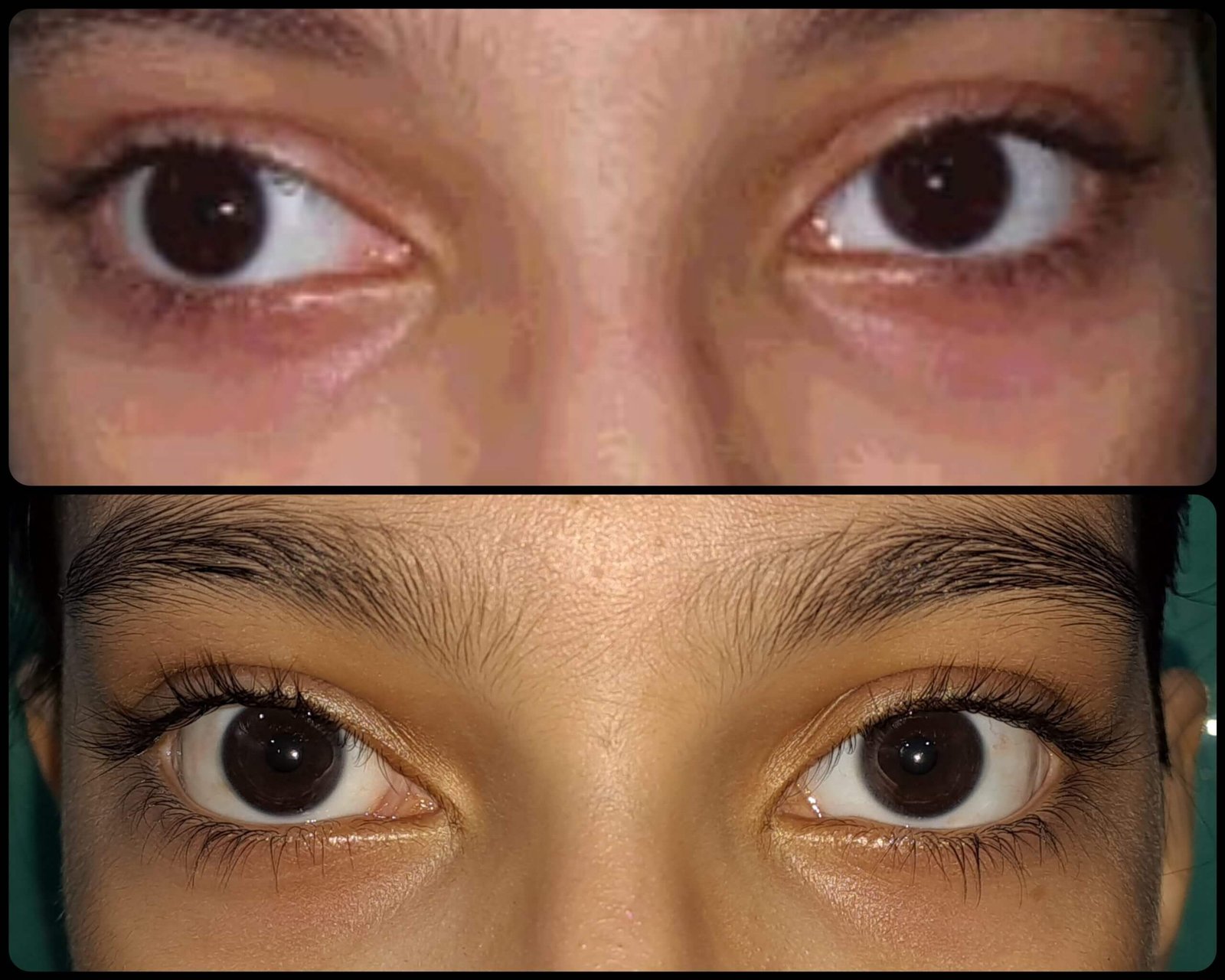
Understanding Strabismus
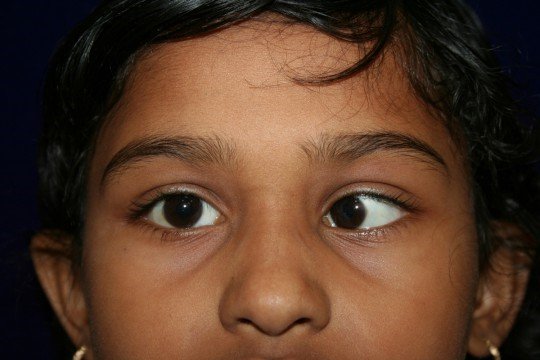
Strabismus, commonly known as a squint, is a visual defect where the eyes are misaligned and point in different directions. One eye may look straight ahead, while the other turns inward, outward, upward, or downward. This misalignment is caused by a mechanical or neurological imbalance in the extraocular muscles.
In children, the brain will quickly learn to ignore the image from the misaligned eye to avoid seeing double. If left untreated during critical developmental years, this leads to Amblyopia (Lazy Eye), causing permanent vision loss. In adults, an untreated squint causes debilitating double vision (diplopia), severe eye strain, and significant social anxiety.
Clinical Indicators
While misaligned eyes are the most obvious sign, a squint can present subtly, especially in children. Watch for these behavioral indicators:
Visible crossing or wandering of one eye.
Closing or covering one eye in bright sunlight.
Tilting or turning the head to focus on objects.
Complaints of double vision (diplopia) in adults.
Advanced Orthoptic Evaluation
At Prasan Nethralaya, we do not rely on guesswork. Our comprehensive orthoptic suite utilizes Prism Bar Cover Tests, Synoptophores, and advanced biometry to measure the exact degree of ocular deviation. This millimeter-perfect data is crucial for calculating the precise surgical adjustments required to restore perfect binocular balance.
The Treatment Protocol
Squint management requires a customized approach. Depending on the severity and age of the patient, treatment may be entirely non-surgical, or it may require precision microscopic surgery to adjust muscle tension.
Non-Surgical Therapy
In many pediatric cases, the squint can be corrected by prescribing specific refractive glasses. We may also use rigorous Patching Therapy to force the brain to strengthen a misaligned "lazy" eye.
Surgical Realignment
During a delicate day-care procedure, the surgeon accesses the eye muscles. Specific muscles are weakened (Recession) or strengthened (Resection) to perfectly mechanically align the globe of the eye.
Post-Op Stabilization
In adult patients, adjustable sutures may be utilized, allowing the surgeon to fine-tune the alignment in the recovery room once the patient is awake, ensuring absolute cosmetic perfection.
Procedure FAQ
Is squint surgery only for cosmetic purposes?
No. While the cosmetic improvement is dramatic and vastly improves self-esteem, the primary clinical goal of squint surgery is to restore functional binocular vision (depth perception) and eliminate double vision or the progression of amblyopia (lazy eye) in children.
Am I too old to get a squint corrected?
Absolutely not. Squint surgery can be highly successful at any age. Many adults who have lived with a misaligned eye their entire lives undergo the procedure to eliminate double vision, relieve severe eye strain, and significantly improve their professional and social confidence.
Will there be scars on my eye?
The incisions made during squint surgery are microscopic and located on the conjunctiva (the clear membrane covering the white part of the eye). Once healed, there are no visible scars, and the eye appears completely natural.