Understanding the Diabetic Eye
Diabetes is a systemic condition that affects microvascular circulation throughout the entire body, but its impact on the eye is particularly devastating. Diabetic Retinopathy (DR) occurs when chronically elevated blood sugar levels cause the delicate blood vessels in the retina—the light-sensitive tissue at the back of the eye—to weaken, swell, or leak fluid into the macula.
In its early stages, known as Non-Proliferative Diabetic Retinopathy (NPDR), patients often experience zero pain and no noticeable vision changes, making it a highly dangerous silent threat. As the disease advances to Proliferative Diabetic Retinopathy (PDR), the retina becomes starved for oxygen. In a desperate attempt to compensate, the eye grows abnormal, fragile new blood vessels. These neovascular vessels easily rupture, bleeding directly into the vitreous gel of the eye, causing severe, sudden vision loss and potentially leading to tractional retinal detachment.
Clinical Indicators
Diabetic patients must not wait for symptoms to appear before seeking an evaluation. However, if you experience any of the following, immediate intervention is required:
- • An influx of dark spots, strings, or "floaters" in your vision.
- • Fluctuating vision that changes from day to day.
- • Washed out colors or empty/dark areas in the center of your sight.
- • Difficulty with night vision or reading fine print.
The Diagnostic & Treatment Protocol
At Prasan Nethralaya, we do not rely on guesswork. We utilize a highly targeted, multi-modality approach to stage your retinopathy and halt its progression. Treatment is entirely customized based on whether you are experiencing macular edema (swelling) or proliferative bleeding.
1. Precision Diagnostics
Before any treatment begins, we map the exact topography of your retina. We utilize Optical Coherence Tomography (OCT) to take cross-sectional, microscopic images of the retina to detect microscopic fluid accumulation. For detailed vascular analysis, we perform Fundus Fluorescein Angiography (FFA), injecting a safe fluorescent dye into your bloodstream to physically photograph the leaking blood vessels in real-time.
2. Intravitreal Pharmacotherapy (Anti-VEGF)
If fluid is leaking into the center of your vision (Diabetic Macular Edema), the frontline treatment is Anti-VEGF Intravitreal Injections. Medications such as Lucentis, Eylea, or Accentrix are injected directly into the eye to block the vascular endothelial growth factor (VEGF) protein. This rapidly reduces swelling, stops the growth of abnormal vessels, and can significantly improve vision. The procedure is virtually painless, performed under potent topical anesthesia in an ultra-sterile clinical environment.
3. Panretinal Photocoagulation (PRP Laser)
To treat the advanced proliferative stage, we deploy targeted laser therapy. Using a highly focused beam of light, we create microscopic burns in the peripheral areas of the retina away from the macula. This intentionally scars the oxygen-starved tissue, shrinking the abnormal, bleeding blood vessels and severely reducing the risk of a catastrophic vitreous hemorrhage or retinal detachment. This is performed as an outpatient procedure, often across multiple sessions.
4. Pars Plana Vitrectomy (PPV)
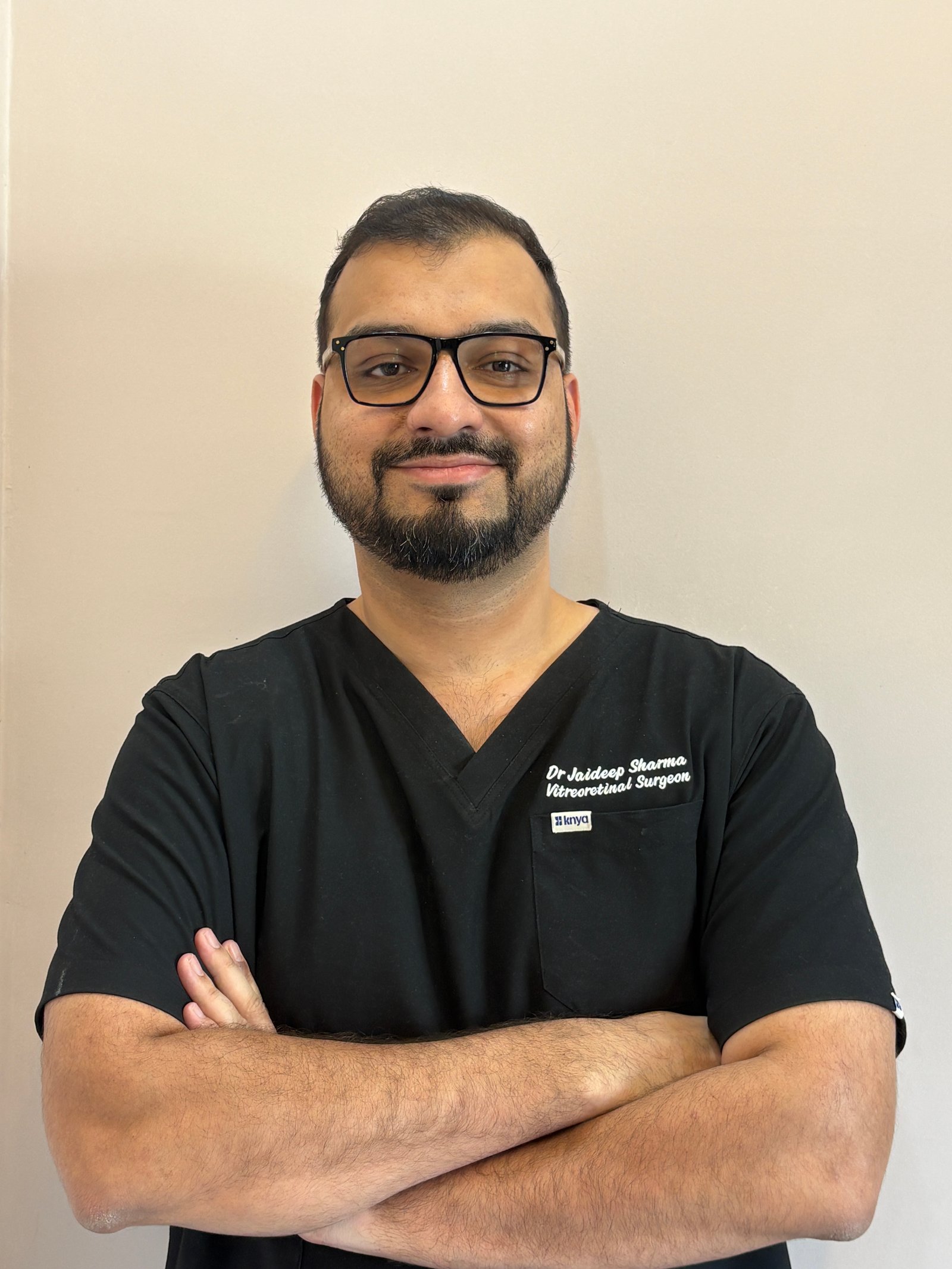
If the fragile blood vessels have already ruptured and filled the eye with blood, or if scar tissue is physically pulling the retina away from the back wall of the eye (Tractional Retinal Detachment), surgical intervention is mandatory. During a Micro-Incision Vitrectomy, our lead surgeon carefully removes the blood-filled vitreous gel and peels away the dangerous scar tissue using microscopic instruments, restoring the clear optical pathway.
Recovery & Long-Term Management
The immediate recovery from anti-VEGF injections or laser therapy is exceptionally rapid. Most patients return to their normal daily activities within 24 hours, though mild blurriness or a "scratchy" sensation may persist for a day. Vitrectomy recovery requires a more disciplined protocol, often involving specific head positioning and a 2-to-4 week healing timeline.
However, it is vital to understand that Diabetic Retinopathy is a chronic condition. Surgical and medical interventions treat the ocular damage, but they do not cure the underlying diabetes. To preserve the surgical outcomes and prevent future vision loss, strict glycemic control (managing your HbA1c levels), controlling blood pressure, and committing to scheduled follow-up fundus examinations at Prasan Nethralaya are absolute requirements.