
Dr. Jaideep Sharma
As the Medical Director of Prasan Nethralaya, Dr. Sharma applies rigorous Aravind-trained diagnostic protocols to decipher and manage complex optic nerve conditions. His analytical approach ensures critical, underlying systemic diseases are identified and addressed rapidly.
View Clinical Credentials →The Eye-Brain Connection
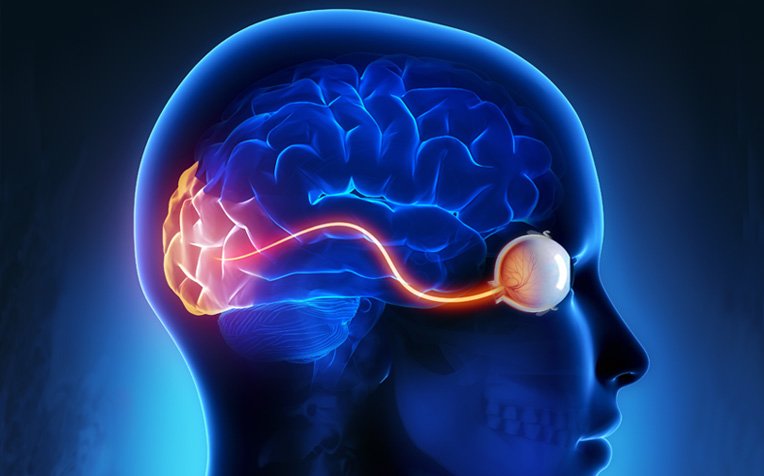
Vision does not occur solely in the eye; the eye merely acts as a high-definition camera. The true processing of sight happens deep within the occipital lobe of the brain. The optic nerve acts as the vital, high-speed cable transmitting these complex images.
Neuro-ophthalmology is the highly specialized medical intersection that deals with visual problems originating from the nervous system. Conditions such as Optic Neuritis (inflammation), Ischemic Optic Neuropathy (eye strokes), and intracranial pressure can compress or damage this critical pathway, requiring immediate, deeply analytical medical intervention.
Neurological Red Flags
Neuro-ophthalmic issues are often sudden and severe. If you experience any of the following, seek an emergency diagnostic evaluation immediately.
Sudden, unexplained loss of vision in one or both eyes.
Sudden onset of double vision (diplopia) when both eyes are open.
Pain behind the eye, especially intensifying during eye movement.
Unequal pupil sizes or suddenly drooping eyelids (ptosis).
Sub-Micron Diagnostic Precision
Because the optic nerve and brain cannot be viewed directly with standard clinical equipment, Prasan Nethralaya utilizes High-Definition Optical Coherence Tomography (OCT) and Humphrey Visual Field Analysis. These tools allow us to measure optic nerve fiber loss at a microscopic level, accurately mapping neurological deficits to determine the exact location of the lesion within the brain's complex visual pathway.
The Diagnostic Protocol
Unlike cataract or LASIK surgery, there is rarely a single "quick fix" in neuro-ophthalmology; management is methodical, rigorous, and highly analytical.
Neurological Eye Exam
An extensive evaluation testing color vision, pupillary reactivity, ocular motility (alignment), and cranial nerve function to pinpoint microscopic anomalies in how the eye communicates with the brain.
Advanced Neuro-Imaging
Based on clinical findings, we may urgently direct patients for specific MRI or CT scans of the brain and orbits to rule out space-occupying lesions, tumors, or demyelinating diseases.
Targeted Medical Therapy
Treatment is heavily medical. This may involve high-dose intravenous corticosteroids to rapidly reduce nerve inflammation, or systemic medications managing intracranial hypertension.
Condition FAQ
What is the difference between an Ophthalmologist and a Neuro-Ophthalmologist?
A standard ophthalmologist focuses primarily on the physical structure of the eye (cataracts, cornea, refractive errors). A neuro-ophthalmologist is specialized in the optic nerve, the visual pathways inside the brain, and systemic diseases (like strokes or autoimmune disorders) that affect vision.
Can an "Eye Stroke" be cured?
Non-arteritic anterior ischemic optic neuropathy (NAION), commonly called an eye stroke, causes sudden vision loss due to a lack of blood flow to the optic nerve. While the lost vision is often permanent, rapid diagnosis is critical to protect the other eye and address the underlying cardiovascular risk factors.
What causes sudden double vision?
Sudden double vision (diplopia) when both eyes are open usually indicates a neurological issue where the brain is failing to align the eyes perfectly. This can be caused by cranial nerve palsies due to diabetes, hypertension, aneurysms, or minor strokes, and requires immediate medical evaluation.