
Department Lead
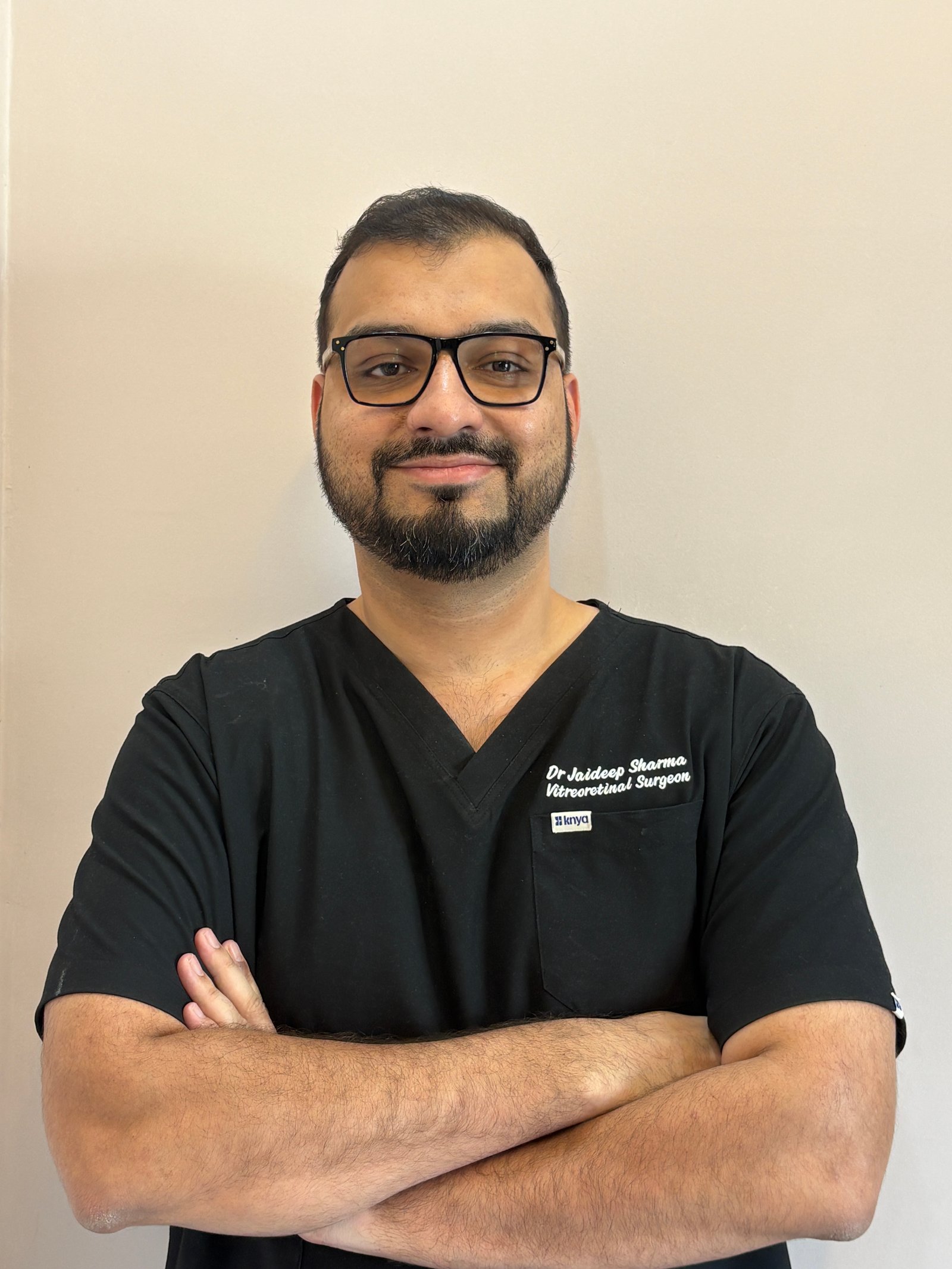
Dr. Jaideep Sharma
M.B.B.S., M.S., DNB, FAICO, FICO (U.K.), FAEH | Glaucoma & Vitreoretina Expert
With over 15 years of rigorous clinical tenure, including specialized training at the renowned Aravind Eye Hospital, Dr. Jaideep specializes in refractory glaucoma cases that are resistant to standard medical therapy. He brings unparalleled surgical mastery to precision filtration surgeries, SLT laser therapy, and complex drainage implant procedures.
Why Choose Prasan Nethralaya for Glaucoma Care?
Glaucoma is a lifelong journey. We provide the clinical partnership, advanced diagnostics, and surgical expertise needed to protect your independence.
Early Detection Focus
Because vision lost to glaucoma cannot be recovered, our primary mandate is early detection. We utilize sub-micron imaging to catch nerve damage years before you notice visual changes.
Surgical Mastery
When eye drops fail, we are equipped to escalate care. Dr. Jaideep is highly trained in performing complex filtration surgeries and implanting drainage shunts to permanently lower eye pressure.
Lifelong Partnership
We don't just treat the numbers; we treat the patient. We provide rigorous, scheduled monitoring to ensure your target intraocular pressure is maintained over your lifetime.
Your Glaucoma Care Journey
Managing glaucoma requires precision. We utilize a stepped approach to halt disease progression and preserve your visual field.
Comprehensive Screening
A thorough evaluation combining Tonometry (pressure), Pachymetry (cornea thickness), and Gonioscopy (drainage angle).
Risk Stratification
We analyze OCT nerve scans and Visual Field tests to calculate your individualized "Target Intraocular Pressure."
Stepped Intervention
Initiating treatment with advanced medical eye drops, escalating to SLT laser or surgery only if targets are not met.
Vigilant Monitoring
Regularly scheduled perimetry and pressure checks to ensure the disease remains permanently halted.
Understanding the Optic Nerve
Your eye continuously produces a fluid called aqueous humor to nourish ocular tissues. Normally, this fluid drains out through a complex structure called the trabecular meshwork. When this drainage system becomes clogged or blocked, the fluid builds up, causing the Intraocular Pressure (IOP) to rise dangerously high.
This sustained high pressure mechanically crushes the millions of delicate nerve fibers making up the optic nerve. Glaucoma is notoriously called the "silent thief of sight" because, in its most common form, it presents absolutely zero pain and slowly erodes your peripheral vision before you even notice it is happening. Once the nerve fibers die, the vision loss is completely irreversible.
Red Flag Symptoms: Do Not Ignore These Signs
- • Gradual loss of peripheral (side) vision
- • Severe, sudden throbbing eye pain (Acute crisis)
- • Seeing colored halos around lights at night
- • Sudden onset of blurry or hazy vision
- • Eye pain accompanied by severe nausea or vomiting
Comprehensive Glaucoma Interventions

Open-Angle Glaucoma
The most common form. The eye's drainage canals become slowly clogged over time, leading to a painless, gradual rise in intraocular pressure.

Angle-Closure Glaucoma
A medical emergency where the iris bulges and completely blocks the drainage angle. Causes sudden eye pain, redness, and rapid vision loss.

Normal-Tension Glaucoma
A complex condition where the optic nerve sustains damage and vision is lost, despite the eye pressure remaining within the "normal" range.

Secondary Glaucoma
Glaucoma resulting from another condition, such as severe eye trauma, advanced cataracts, diabetes, or the prolonged use of steroid medications.

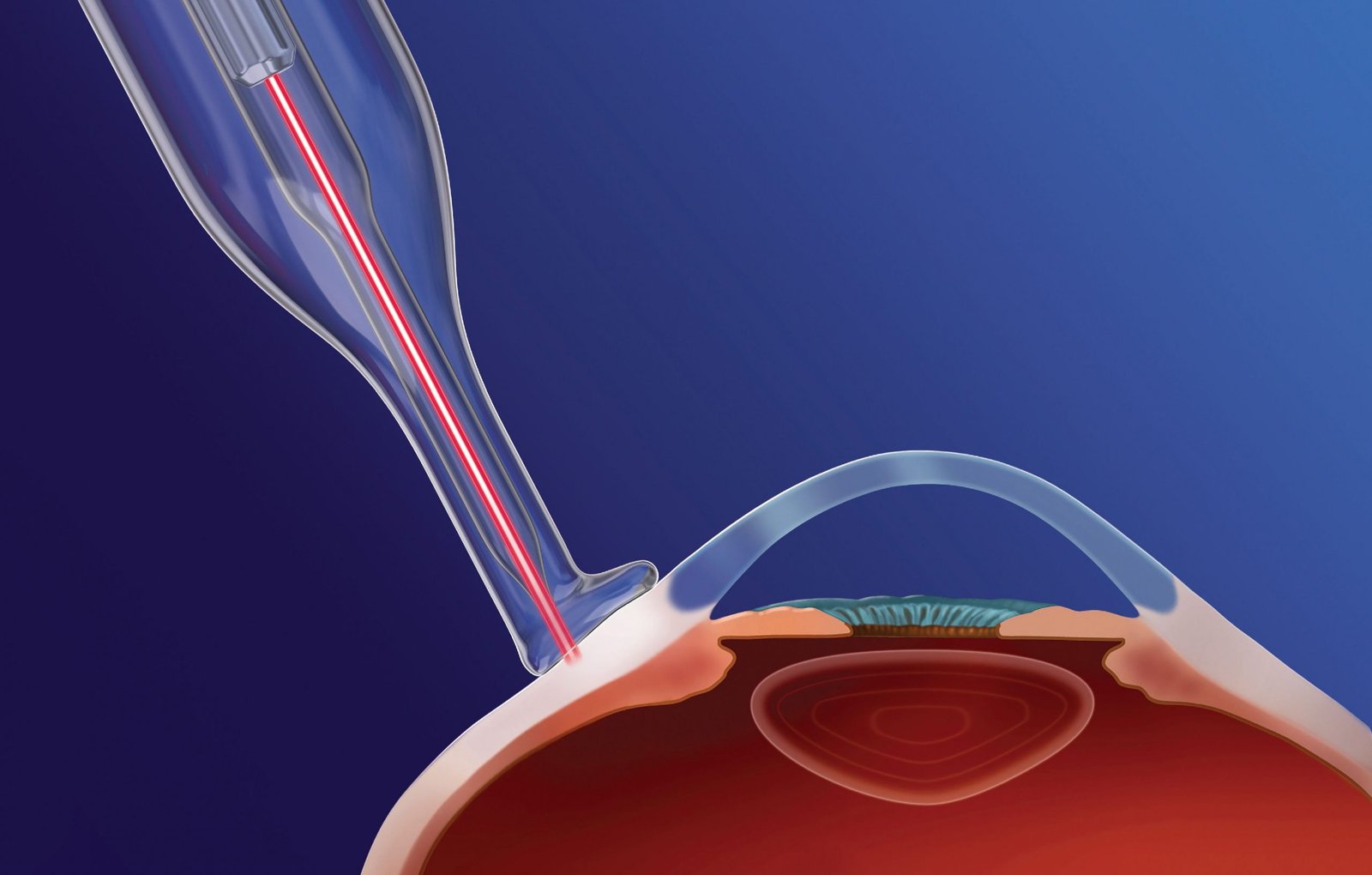
Laser Therapy (SLT / LPI)
Minimally invasive, painless outpatient laser procedures used to stimulate the trabecular meshwork to drain fluid more efficiently.
Advanced Filtration Surgery
For refractory cases resistant to eye drops and lasers, Dr. Jaideep surgically creates a new drainage channel to permanently bypass the blockage.
Advanced Glaucoma Technology
Because glaucoma is invisible to the naked eye, we rely on state-of-the-art diagnostic imaging to detect microscopic changes before they affect your vision.
Optical Coherence Tomography (OCT)
This high-definition scanner maps the optic nerve head and measures the exact thickness of your Retinal Nerve Fiber Layer (RNFL). It can detect microscopic nerve death years before it registers on a standard vision test.
Automated Perimetry (Visual Field)
The gold standard for tracking glaucoma progression. This advanced computer system maps your entire field of vision to detect even the slightest loss in your peripheral sight, allowing us to adjust medications immediately.
Selective Laser Trabeculoplasty (SLT)
A highly advanced, "cold" laser that stimulates the eye's natural drainage system to lower pressure. It is completely painless, takes only minutes, and can often replace the need for daily eye drops.
Patient
Questions.
Clinical clarity regarding intraocular pressure, medical therapy, and lifelong optic nerve care.
There is currently no absolute cure for glaucoma, and vision lost to the disease cannot be restored. However, with early diagnosis and strict management of eye pressure through drops, laser, or surgery, further vision loss can be successfully prevented.
Individuals over the age of 40, those with a family history of glaucoma, people with high myopia (nearsightedness), and patients with diabetes or hypertension are at a significantly higher risk and require annual screenings.
A comprehensive screening involves Tonometry (measuring intraocular pressure), Pachymetry (measuring corneal thickness), a Visual Field Test (Perimetry) to check peripheral vision, and an OCT scan to microscopically evaluate the optic nerve.
Most patients require lifelong medical management with eye drops. However, advanced treatments like SLT (Selective Laser Trabeculoplasty) or filtration surgeries can sometimes reduce or temporarily eliminate the dependency on daily drops.
Open-angle is a slow, painless, and chronic clogging of the eye's drainage canals over years. Closed-angle is a sudden, acute blockage where the iris covers the drain, causing a rapid and painful spike in pressure, requiring emergency medical intervention.
Halt The Silent Thief.
Vision lost to Glaucoma cannot be recovered. Protect your optic nerve by scheduling your comprehensive pressure screening today.
Book Screening