Understanding Genetic Corneal Disease
Corneal Dystrophies are a group of rare, genetic eye disorders in which abnormal material builds up in the clear front window of the eye (the cornea). Unlike infections or trauma, dystrophies are usually inherited, affect both eyes simultaneously, and progress slowly over decades without any signs of inflammation or redness.
While there are over 20 different types of corneal dystrophies (such as Lattice or Granular dystrophy), the most common and clinically significant is Fuchs' Endothelial Dystrophy. This condition specifically attacks the deepest, microscopic layer of the cornea—the endothelium.
The Hallmarks of Fuchs' Dystrophy
Fuchs' Dystrophy causes the cornea's "fluid pumps" to fail. Seek a specialized evaluation if you experience:
- • Morning Blurriness: Vision is exceptionally foggy upon waking but gradually clears up by the afternoon.
- • Severe Glare: Seeing intense halos or starbursts around lights, especially when driving at night.
- • Painful Blisters: In advanced stages, the swollen cornea forms tiny blisters (bullae) on the surface that can burst, causing sharp pain.
Pathophysiology: The Pumping Failure
To remain crystal clear, the cornea must be kept in a state of relative dehydration. The innermost layer of the cornea (the endothelium) acts as a microscopic array of water pumps, constantly pumping fluid out of the cornea and back into the eye. In Fuchs' Dystrophy, these endothelial cells slowly die off and leave behind microscopic bumps called guttata.
Because these cells cannot regenerate or multiply, the remaining cells must stretch to cover the gaps. Eventually, there are simply not enough pumps left to do the job. The cornea becomes waterlogged, swells, and turns cloudy, leading to profound vision loss.
Advanced Surgical Intervention
In the early stages, Fuchs' Dystrophy is managed medically using Hypertonic Saline Drops or Ointments (such as 5% Sodium Chloride). These medications draw excess water out of the cornea to temporarily clear your vision. However, when medical therapy fails and the cornea remains permanently swollen, surgical intervention is required.
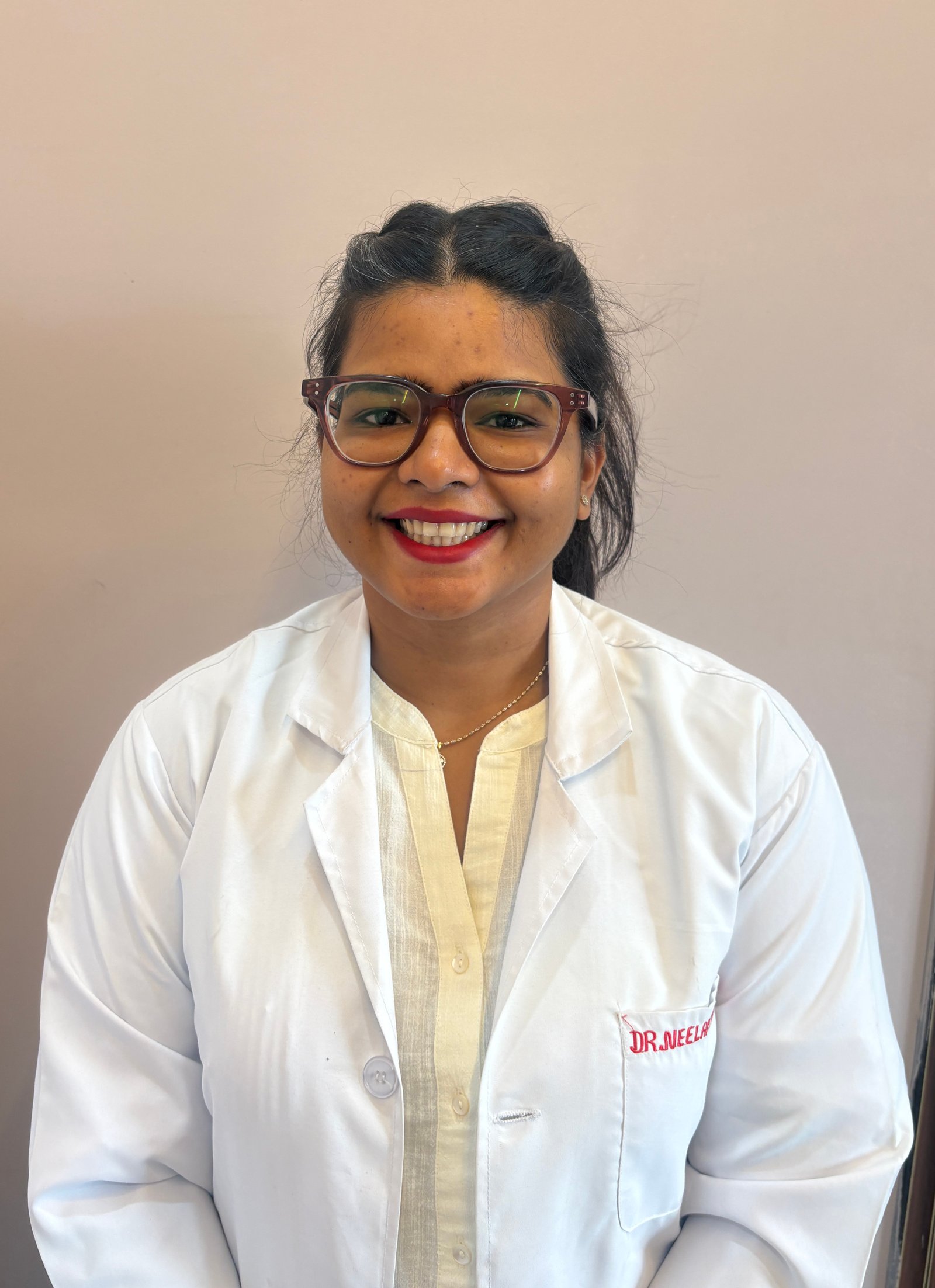
At Prasan Nethralaya, we no longer perform archaic, full-thickness transplants (Penetrating Keratoplasty) for Fuchs' Dystrophy. Dr. Neelam Sharma specializes in Endothelial Keratoplasty, an elite "keyhole" surgical technique:
1. DSAEK (Descemet's Stripping Automated Endothelial Keratoplasty)
Through a microscopic incision, we meticulously strip away only the diseased back layer of your cornea. We then introduce a thin layer of healthy donor endothelial cells. An air bubble is injected into the eye to press the new cells firmly against the back of your cornea until they attach. Because we leave the entire front of your cornea intact, there are no surface stitches, meaning the structural integrity of your eye is preserved.
2. DMEK (Descemet's Membrane Endothelial Keratoplasty)
DMEK is the most advanced, ultra-thin evolution of DSAEK. Instead of transplanting a thin sliver of tissue, Dr. Neelam transplants only the single layer of endothelial cells and their basement membrane—a tissue thinner than a human hair. DMEK provides the absolute fastest visual recovery and the highest chance of achieving 20/20 vision, with a near-zero tissue rejection rate.
The "Face-Up" Recovery Protocol
Because an air or gas bubble is used to hold the new graft in place, successful healing requires strict patient compliance. Following DMEK or DSAEK, you will be required to lie flat on your back, facing the ceiling, for the first 24 to 48 hours. This allows the bubble to float up and press directly against the new transplant. Once the graft adheres, the bubble will naturally absorb, and your vision will progressively clear over the following weeks.